How to not Yell and Keep your Cool through Tantrums
After weeks of living in a hotel and trying to explain that screaming was even less acceptable there than in our other homes, I had reached my breaking point. Granted, the changes of moving across the country and being in a state of limbo and flux were hard on my children as much as they were on me, everything came to a screeching halt. We had hit a wall where I was so incredibly angry, frustrated, and fed up and my toddler was pushing back, screaming, and escalating every situation. But reigning myself in to not lose my cool or my own temper and learning how to not yell at my daughter when things were escalating has been a difficult journey.
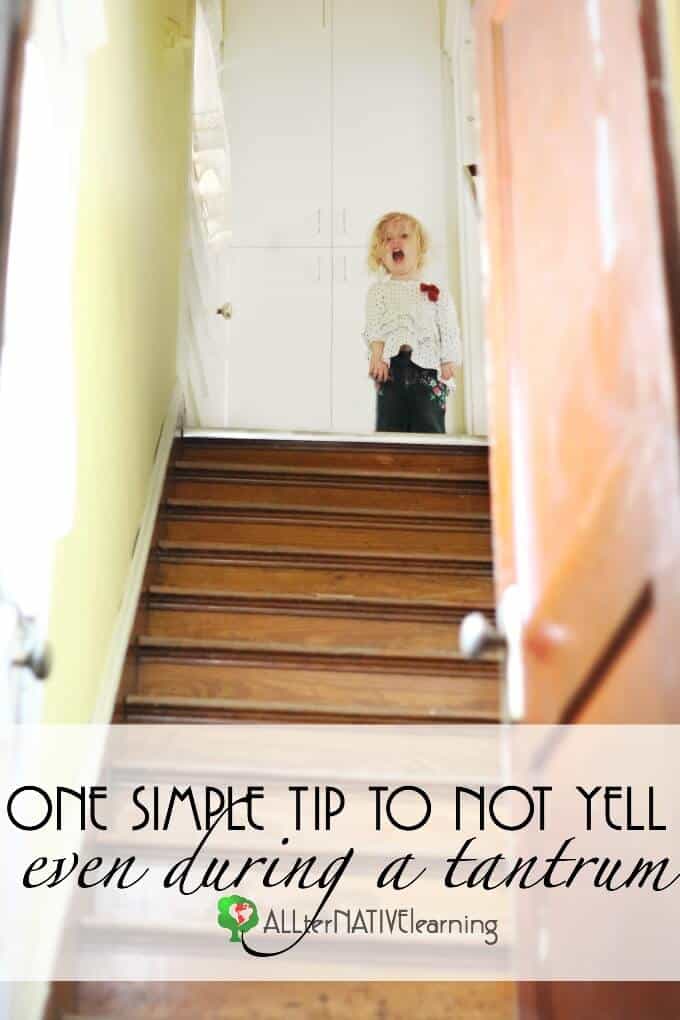
One day the stress of moving collided with the turbulence of toddlerhood.
The morning started out with my toddler growling at every hotel employee she saw. Then back in the room she seemed reasonably sweet and asked for milk. Only for me to not pour it “the right way” and subsequently have her start screaming and then angrily dump the full cup all over the couch and floor.
Later that day, a battle of the wills happened. And to top it all off, late in the afternoon she picked out her clothes, got dressed, and then started screaming at the top of her lungs that what she picked out was not what she wanted to wear.
I was worn thin.
I was on the brink of losing control. and I was determined to not let my toddler ruin my day, I was also not going to let her yell at me for her own choices. In fact, we consistently focus on consequences for choices made. It’s an important part of growing up and an important part
And I was determined to not let my toddler ruin my day. I was also not going to let her yell at me for her own choices. In fact, we consistently focus on consequences for choices made. It’s an important part of growing up and an important part
I was also not going to let her yell at me for her own choices. In fact, we consistently focus on consequences for choices made. It’s an important part of growing up and an important part in learning to think before acting and choose wisely in each decision. And furthermore… I needed to keep myself from yelling at her.
See how we teach our toddler consequences through choices.
In both instances, I have learned to manage them without losing my own temper.
While I still felt like punching a wall at the end of the day, I did not lash out in any way on my daughter and I did not yell at her. I used a simple strategy that has worked well for when my toddler starts screaming and throwing an extreme tantrum or having a meltdown.

I put a door between my toddler and myself.
The moment that she dumped out the milk, I took a deep breath and swiftly moved her into the bathroom for a cool down period.

This became something we did as we lived a hotel and around so many other people. If she was going to scream, it was going to happen in the bathroom. We would move her in there and talk to her along the way about why. Once there, she would go into the bathroom and I would tell her I was going to let her scream and that I would be waiting right outside of the door.
The door provided space between us.
She needed to experience and work through her emotions and I knew I needed to let her. I also needed to work through mine.
I knew the feelings she felt.
I wanted to do it myself — scream as loud as I could to release that frustration and energy winding up inside of me chest. So if that’s what she needed to do, then I would let her. But I didn’t want her to direct them at me. I never want to teach her to direct her frustrations and anger at a person,
I never want to teach her to direct her frustrations and anger at a person, rather I want her to learn to work through her feelings for a situation.
So the door between us allowed her to experience emotions independent of me. My emotions didn’t feed hers. My actions did affect her actions.
In these scenarios, I open the door after about 5 seconds to ask if she is done screaming and wants me to hold her yet. Nope. Not ready. 10 more seconds. “Do you need more time to scream or to cry?” and the answer is usually yes where she closes the door herself. Eventually after about a minute or two, I get a “Momma, I’m good now” to which I respond, “Can I hold you and can we talk now?”.
This is typically how our cool down periods go. And even through my disappointment in the instance of her throwing milk, I helped her clean up the mess because I always want her to know I stand beside her through every up and down.
And so we moved on. And we always move on. We cool down next to each other but with a door between us, then we talk about the situation, and then we move on. The door and the space allow her to take deep breaths, to not get mad at anyone around her, but also enforces the need to refocus bad behavior.

We create more Space between us.
Even through my anger later in the day, I managed to keep it together.
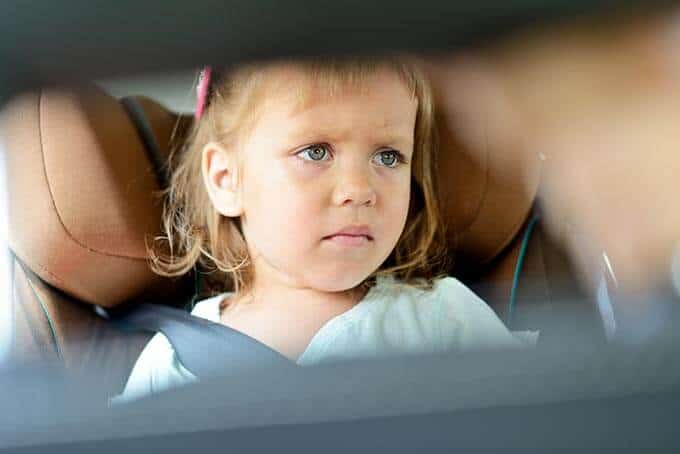
Her behavior escalated, so quietly fuming, I grabbed my keys and picked up my daughter with both arms. I held her firmly as she kicked, screamed, and lost control. I walked to our van, put her in the car seat, strapped her in, closed the door, and sat in the driver’s seat.
I sat there not saying a word as my mind raced and felt a surge of frustration well up inside of me. I listened to my daughter tell me she didn’t want to be in the car and that she was mad. I listened to her cry as I cried.
It had been a long day. It would have been so easy to yell at her, but I knew the space would help more than making her feel even more emotions all at once.
It would have been so easy to yell at her, but I knew the space would help more than making her feel even more emotions all at once.
I turned on the car and started driving. It didn’t matter where I went, but I needed to focus on doing something that wasn’t dealing with the tantrum, meltdown, or whatever it was, because I would lose my cool. I needed the space between us. This time, the space and the-the car seat allowed us to talk through the situation more peaceably than what would have happened in the hotel.
Why creating space between you & your child helps diffuse situations
Most typically I bring my kids close to me when they’re upset. Even when they’re the daily-type of tantrums. But the extreme tantrums and the ones where they lose control, space has been the most effective solution for both of us.
Obviously, we all feel the need to distance ourselves from others when we’re really angry. But when a child, especially a toddler, is overly upset, they don’t understand their emotions. They use strong words and express strong feelings by lashing out.
It however, is harder to lash out at someone behind a door or when you’re both buckled into a car. It’s also somehow much easier to talk to someone calmly (after a situation has already escalated) when you’re not looking at one another.
Every time I even lock eyes with my tantrum-filled toddler, she starts losing it all over again. It’s as if she cannot and will not share those emotions with me, but instead directs them at me. In fact, once our dog Samson ate her eggs and she got very angry. And while she let him know she wasn’t happy, she walked back to get her empty plate and caught sight of her
It’s as if she cannot and will not share those emotions with me, but instead directs them at me. In fact, once our dog Samson ate her eggs and she got very angry. And while she let him know she wasn’t happy, she walked back to get her empty plate and caught sight of her 6-month-old sister… who she yelled at about the eggs. In the moment of frustration and pain for toddlers and young kids, it’s easy to direct strong feelings towards anyone around.
So, while I am not advocating locking your child inside of a bathroom or bedroom, because, no, that is not ok. I am suggesting that you learn what helps you and your child create space that still allows you to communicate because communication is key to learning how to not yell… both as a child and a parent. Find a way to achieve a cool down period where the escalated emotions have the chance to be brought back to a healthy place.
Want more on peaceful parenting? Listen to my Podcast with Dayna from Lemon Lime Adventures about Dealing with a child melting down in public.
Get my free parenting and family mini series!
Click on the image below to get more information in a subscription box pop-up. The free mini-course is all about how to invest in yourself in your kids. Multiple printable pages included throughout the series + the four you see below you’ll get upon sign up!