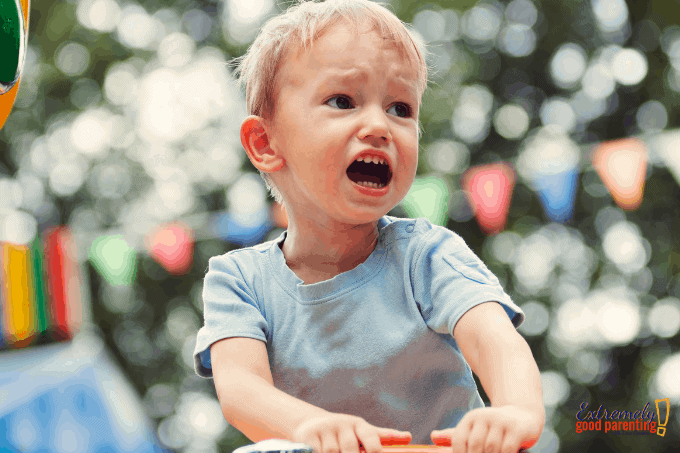
Affirming & Understanding How Children Show Love
Most all of us have heard about the five love languages and how we can show those around us love in a way that they understand. But few people seem to focus on how everyone has two love languages – one for how they give love naturally and one for how they naturally feel loved. We tend to focus on applying love languages to our marriage relationships, and some of us even know the love languages of our children, but only in terms of how we can make them feel loved. However, how often do we stop and think about how our children take time to show us love without verbalizing “I love you”, or how often are our kids showing us love and we’re rejecting them in some way? And don’t we all feel more loved when our love is openly received? It’s understanding children’s love languages and they use it that we can be more intentional parents and foster a more loving relationship with our kids. It becomes the parent child love language and how we interact with each other.

It was very early in my my eldest daughter’s life that I realized she was a love child in that she was very expressive in the ways that she showed love, but that she very rarely said “I love you”. When trying to lift heavy boxes, she would be standing nearby gleefully shouting “you can do it momma, way to go, you got it!” And when I would feel sick she would cuddle up next to me and say “you feel better momma”. While she does constantly tell us she loves us now, she still expresses her love in other ways constantly by affirming those around her and being their biggest cheerleader.
She shows love to those around her by validating them and giving them words of affirmation. And too often it’s easy to just ignore those little phrases and move on by them. But actually acknowledging those small moments has gone a long way in helping build a better parent child love language relationship. While I know her love language to feel loved is gift-giving and sometimes physical touch, she shows love through her words and I have to be more intentional in my parenting to not disregard her words for fear of making her feel unloved and unheard.
Similarly, I am reminded of the story my student council leader told us in high school. He was working with children and in the rush of life and teaching, he kept brushing off another child who was trying to give him a rock. Even hen speaking to the child, he just took the rock without thinking about it was trying to talk to the student about the things that needed to be done. Because the student looked dejected, the teacher asked him what was wrong. The child replied that he had given the teacher a special gift. “A rock?” asked the teacher. “No, I gave you part of a mountain”.
It’s easy to take words as they come and collect a small pile of strange and seemingly insignificant objects accumulated by a loving child, but in the end, being more intentional in those moments can build a more loving and stronger parent-child relationship.

What are the five parent child love languages or ways kids show their parents love?
Especially in the toddler years, a child is more likely to act out how they feel versus expressing so verbally. Therefore understanding a child’s natural way of showing love can be important. It is not just because you should recognize it so you can give yourself a pat on the back of sorts, but so that you can recognize the moments and know that as a parent you’re not rejecting your child in the moments they come to you offering love.
While we all give and receive love through all five ways, most of us have one predominant love language that we favor over the rest, and children’s love languages are no different. So while my daughter loves to cuddle, it’s not typically her favored way of showing love.
Words of Affirmation – This means those little words of encouragement and verbal support are a way that your child is showing you love. They are cheerleaders, encouragers, and supporters and will constantly show their affections through their words.
Acts of Service – Kids who focus on acts of service are the ones that are always willing to help. Every little task, even if it’s above their abilities, is one they want to help you get done.
Gifts – Kids that show their love through gift giving are the ones who are constantly making things for you or bringing small, random objects to you. They make give you collections of rocks, be constantly drawing pictures for you, or focus a lot on saying “I got this for you”.
Quality Time – Seeking time spent with parents is a way that the quality time lover shows affection. They may be the child that asks to do something together like go to the park or when they’re playing, they may ask you to do it with them.
Physical Touch – Kids that love through physical touch may not only want to cuddle and sit in your lap, but they’re more likely to want to hold hands and will also be the child that always seems to have a hand on you. They can sometimes even express their love by requesting to be held.
How will you affirm your child’s love today or work on building your own parent child love language relationship?
More Articles or Resources You May Enjoy
The phrase you should never use with your children
Using Learning Styles to Communicate with Kids
Children’s Love Languages Book (aff link)
For members and supporters
Get access to the Download Dashboard
Printable PDFs in course format for history, literature, and cross-curricular studies. Download what fits your students, print it, and start teaching.
- Course-style PDFs. Structured, ready-to-print studies that guide students from the first page to the last.
- Grab what you need. Choose the studies that fit your students and download them from one dashboard.
- New downloads as it grows. More are added over time, so there is always something new to print.
$5 a month
See what is inside Already a member? Open your dashboardPrefer to start free? Many challenges also arrive as simple emails when you subscribe.