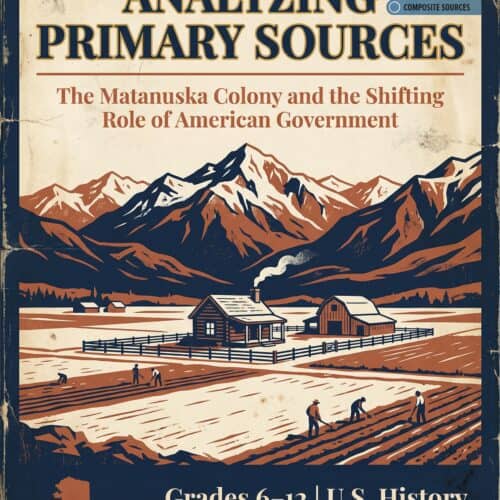
A 26-page primary source analysis unit exploring how the 1935 Matanuska Colony reflects the shifting role of American government, from Homestead-era individualism to New Deal federal intervention. Includes real, composite, and illustrative sources, each clearly labeled with full transparency notes and verified archive links. Built for grades 6–12.
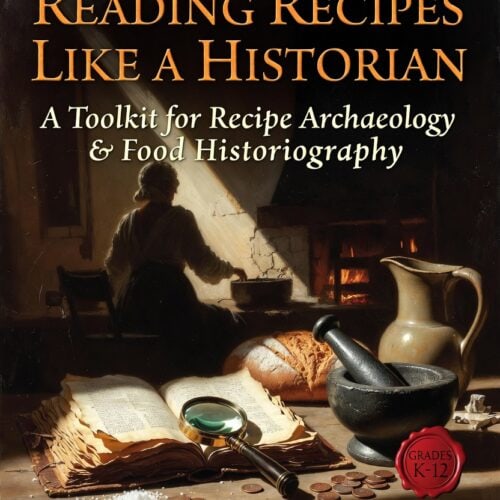
Teach sophisticated historical thinking through food historiography! This 106-page toolkit shows students grades K-12 how to analyze historical recipes as primary sources revealing economic pressure, daily realities, and the context behind historical decisions.
Includes complete theoretical framework, two ready-to-teach lesson plans (Colonial & Great Depression), grade-level adaptations K-12, student worksheets, assessment rubrics, and flexible implementation for classrooms, homeschools, and co-ops. Uses the Four Lenses framework (Economic, Technological, Social/Cultural, Policy) to develop critical thinking, primary source analysis, and evidence-based argumentation.
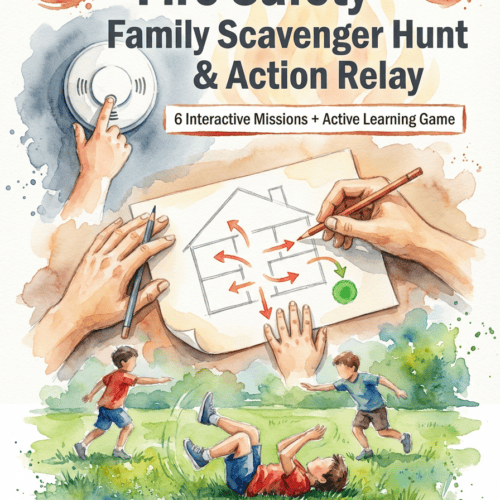
Fire Safety Family Scavenger Hunt & Action Relay — Send home this practical, hands-on fire safety unit or use it as an interactive life skills lesson. Six family missions cover real-world safety (grease fires, smoke alarms, escape plans, fire extinguishers, first aid) plus an active relay game that makes “Stop, Drop, Roll” and “Get Low and Go” unforgettable. Perfect for Fire Prevention Week, safety units, or year-round family engagement. Print and go!
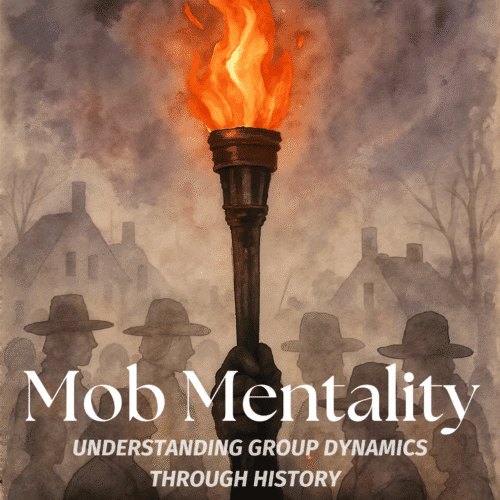
Mob Mentality: Understanding Group Dynamics Through History – Complete Curriculum Guide (Grades 3-12)
Transform students into critical thinkers using the Salem Witch Trials as a foundation to understand mob mentality across history and today’s digital world. This 68-page differentiated curriculum includes core lessons, enrichment projects, and assessment tools for both classroom and homeschool use. Students analyze historical patterns, examine social media echo chambers, and develop strategies for independent thinking. Features flexible implementation timelines (2 days to 8 weeks), grade-specific adaptations, and real-world applications connecting colonial crowd psychology to contemporary peer pressure and digital citizenship. Ready to print and teach immediately.
Key Topics: Salem Witch Trials, group psychology, peer pressure, media literacy, critical thinking, historical analysis, social influence, moral courage, digital echo chambers, conformity studies.
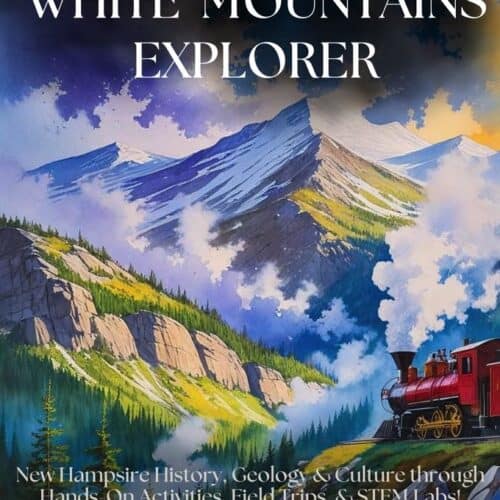
Explore the White Mountains of New Hampshire through this immersive 5–7 day (can be easily expanded) mini unit packed with STEM labs, virtual hikes, and hands-on projects.
Perfect for homeschoolers, classrooms, or families, this flexible guide covers state history, geography, weather, and engineering—plus optional real-world experiences and 2–3 weeks of extensions. Designed for ages 8–14+, adaptable for all!
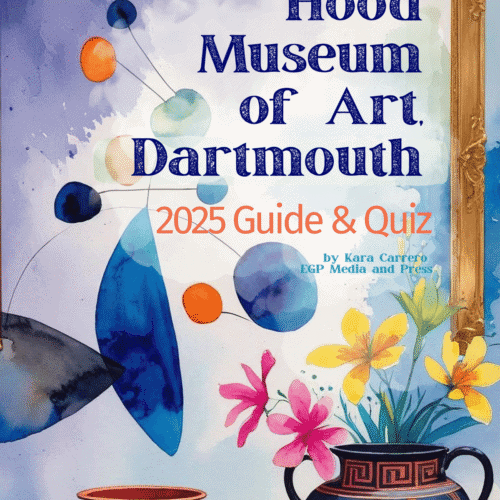
Explore the “Hood Museum of Art Visit Guide & Student Recap Quiz,” a dynamic art history resource for grades K–12. This 15-page package covers Monet’s Impressionism, abstract art, American floral themes, and ancient Mediterranean artifacts with detailed guides, hands-on activities, and a comprehensive quiz. Perfect for museum field trips or classroom learning, it fosters critical thinking and creativity with continued learning opportunities through research, reflection, and collaborative projects.
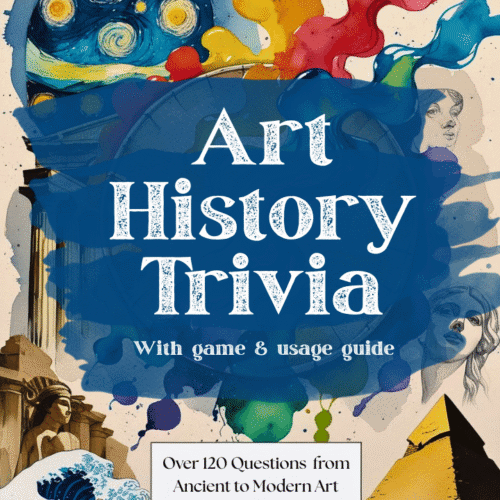
120+ trivia cards covering 16 art history topics: Art Basics & Definitions, Ancient Egyptian, Greek, Roman, African, Chinese, Medieval, Renaissance, Impressionism, Cubism, Surrealism, Pop Art, Famous Artists, Masterpieces, Art Terms & Techniques, and Artist Biographies (e.g., Van Gogh, O’Keeffe, Dalí). Includes a versatile game guide with formats like Jeopardy and Timeline Challenge.
Perfect for teachers, homeschoolers, and families. No-prep, interactive learning for grades 5–12!
Your saved items live in this browser and clear eventually. Add your email to save them permanently to an account (and get notified if they go on sale).