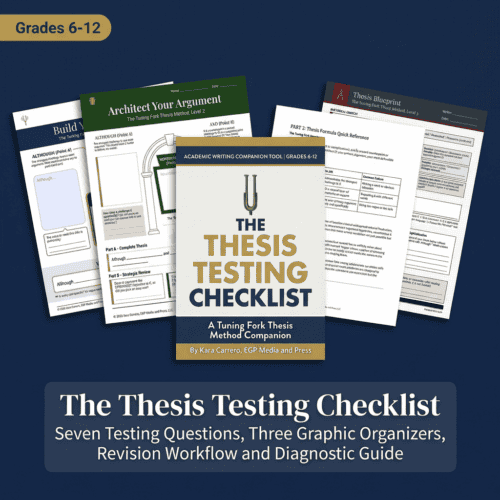
A 12-page companion tool for the Tuning Fork Thesis Method. Includes seven thesis testing questions with revision direction for each, the “Although A and B, nevertheless C” formula broken down with cross-subject examples, an announcement language guide, a step-by-step revision workflow, a quick diagnostic table, and three level-specific graphic organizers for Levels 1, 2, and 3. Works as a planning tool before drafting, a revision diagnostic, or a conferencing reference.
A 183-page, three-level essay writing curriculum built around one central idea: a strong thesis doesn’t just state a position, it creates tension, holds two competing ideas in balance, and resolves them with a clear argument within a 5 paragraph essay (and any academic paper). Students at every level learn to write with precision, authority, and purpose.
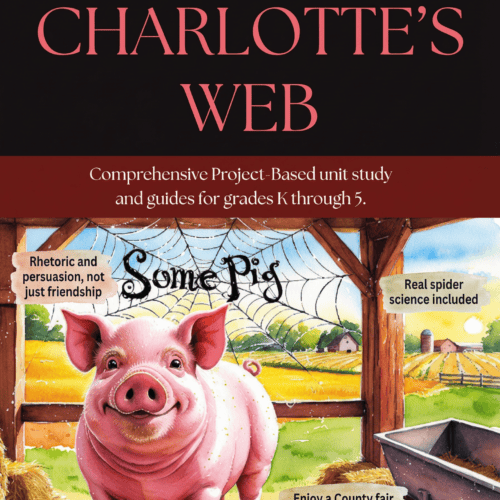
Charlotte didn’t just love Wilbur. She ran a strategic persuasion campaign to save him and now your students will too. A comprehensive 56 page K-5 project-based novel study covering spider science, rhetoric, E.B. White’s craft, and the real cost of friendship. Includes a county fair showcase finale.
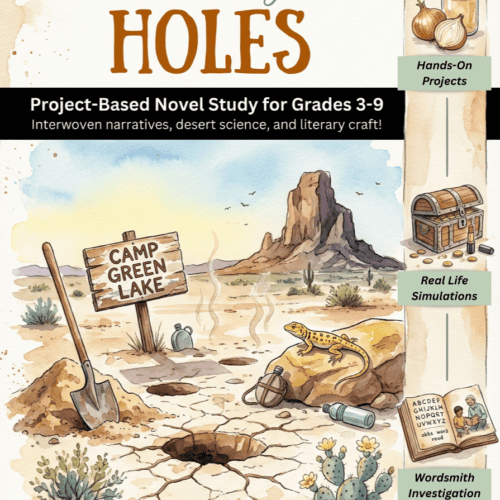
A hands-on, differentiated novel study for Louis Sachar’s Holes that connects the story to real desert science, American history, and literary craft. Built for grades 3 through 9, with separate question sets and activities for every grade band. Works in a single afternoon or across a full week.
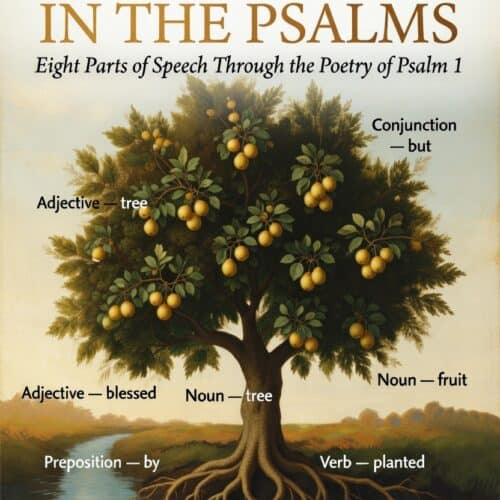
Teach grammar through the beauty of ancient Hebrew poetry. This differentiated unit uses Psalm 1 to explore nouns, verbs, adjectives, and more across three levels, from elementary identification to high school literary analysis. Includes complete answer key.
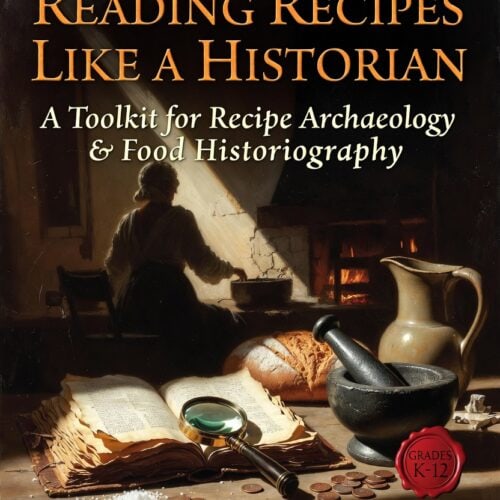
Teach sophisticated historical thinking through food historiography! This 106-page toolkit shows students grades K-12 how to analyze historical recipes as primary sources revealing economic pressure, daily realities, and the context behind historical decisions.
Includes complete theoretical framework, two ready-to-teach lesson plans (Colonial & Great Depression), grade-level adaptations K-12, student worksheets, assessment rubrics, and flexible implementation for classrooms, homeschools, and co-ops. Uses the Four Lenses framework (Economic, Technological, Social/Cultural, Policy) to develop critical thinking, primary source analysis, and evidence-based argumentation.
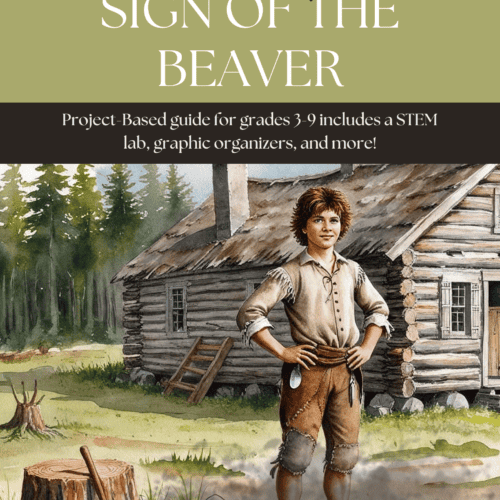
Transform a single afternoon into meaningful exploration of frontier friendship. Students analyze gift exchanges, research traditional plants, and build model snares to understand survival physics.
Your saved items live in this browser and clear eventually. Add your email to save them permanently to an account (and get notified if they go on sale).