Instilling gratefulness in a generation that thinks they deserve it all.
Today it was a blue slushie. Yesterday it was the iPad.
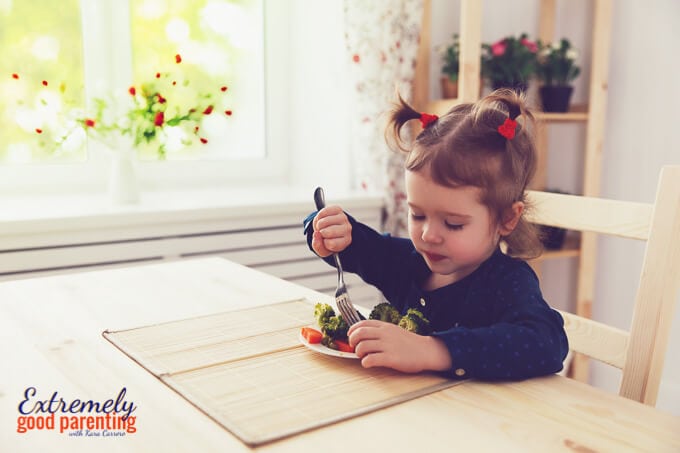
They’re things that my nearly 4-year-old daughter feels entitled to. She pleaded her case declaring that she ate “real food” and reminded me that she spent countless hours frolicking around the house and playing outside.
Her righteous indignation came out demanding that she deserved a treat because she had earned it.
Oh, how unjust it is for me as a parent to not reward every action or reciprocate every effort with a treat!
But the harsh reality is that even though it’s uncomfortable now for both of us, it will build her contentment, her gratefulness, and even her dedication to a cause without instant gratification. And it builds my own resilience as a parent to not give in and praise every minute aspect of my child’s life.

5 ways to instill thankfulness and contentment in our children
Commercials are everywhere you turn, and they’re all teaching kids to feel like they need to have it all, simply because “everyone else does” and society teaches us that we should constantly treat ourselves.
And it can be overwhelming when trying to truly raise grateful kids.
But we have to instill in our children that owning the latest and greatest doesn’t make us better people or that getting rewards doesn’t actually show our value or worth.
[color-box]Read more on how to raise confident children.[/color-box]
From clothes to electronics, nothing is immune to becoming obsolete and out of fashion. Which is what makes raising children to value themselves for who they are and not what they have is so important. We must point to the blessings they already have and inspire them to look at how their needs are met instead of fawning over something that won’t actually enhance their lives.
Grab your free “parents’ guide to behaviors” download.
Click Here.
Make gratitude part of your daily routine.
According to research, grateful people are the happiest.
And we all want happy kiddos, right?
Make gratitude an essential part your family dinner conversation or bedtime routine. Take time during to share three things that each person is thankful for or even things that they felt added value to their day. Create a gratitude jar for your kids so they can write down their blessings, and then share what they wrote with each other. With regular practice, gratitude will become a lasting part of your kids’ positive, content attitude.
Express the silver linings.
If a long line at the grocery store sends your kids into a meltdown, then it’s time to talk about silver linings.
That means looking for your own silver linings too whenever you experience a stressful situation, then sharing it with your kids. For example, if a storm comes up during your drive home, say something like, “Well, I at least we don’t have to wash the car today!”
Finding the blessing… or humor … in a stressful situation will teach your kids to be grateful with whatever life throws their way.

Make service part of your routine.
We may have plans to do great volunteer work with our kids, but life sometimes gets in the way of our good intentions. Like most things in life, unless it goes on the calendar, chances are it won’t get done.
Teach your kids the importance of serving others by making a date for it — even just once a month.
Brainstorm volunteer opportunities with your kids for places they’d like to spend their time. Maybe they would enjoy playing board games with residents at a retirement home, serving a meal at a soup kitchen, or cleaning up a park. The ideas are endless.
[color-box]Read more about ending entitlement in our kids through teaching life skills. [/color-box]
Discuss the “What if’s?”
One of the most powerful ways to instill an attitude of gratitude is to teach your kids about the realities of those who go without. During family dinner, ask your kids some tough “What if…” questions. “What if you didn’t have a place to sleep?” “What if you were sick or hurt and couldn’t afford to go to the doctor?” Discussions like this will help them realize just how good they have it.
Go without an indulgence for a week.
When we cater to our kids’ every whim, we are teaching them to feel entitled to the luxuries of life. To help them feel more appreciative for what they already have, try letting them go without for a few days.
Figure out what your family or each individual child can do without for a little bit. Is it turning on the TV? Turning off the air conditioning? Not having dessert after dinner?
Cutting back may not be comfortable, but it’s a great way to teach your kids to appreciate what they do have.
[color-box]Read more on over-praising kids and how it can lead to narcissism. [/color-box]
Have rough days? We all have them when raising kids.
But this two-page printable cheat sheet might help you along the way. This first page is all suggestions and the other has the second column empty to allow you to write in what works for you family. Simply input your email below and it will be in your inbox. Plus, since you’ll now be a part of the Extremely Good Parenting community, we’ll send you some other awesome freebies & advice from time to time.
Check out the sneak peek and CLICK THE IMAGE to sign up:

More you may enjoy